Ask a vendor if their software "supports Arabic" and they'll say yes. Open it, and the Arabic text sits awkwardly inside a left-to-right layout, icons point the wrong way, and half the interface is still English. Your staff notice in the first minute — and adoption quietly dies.
RTL is a layout, not a translation
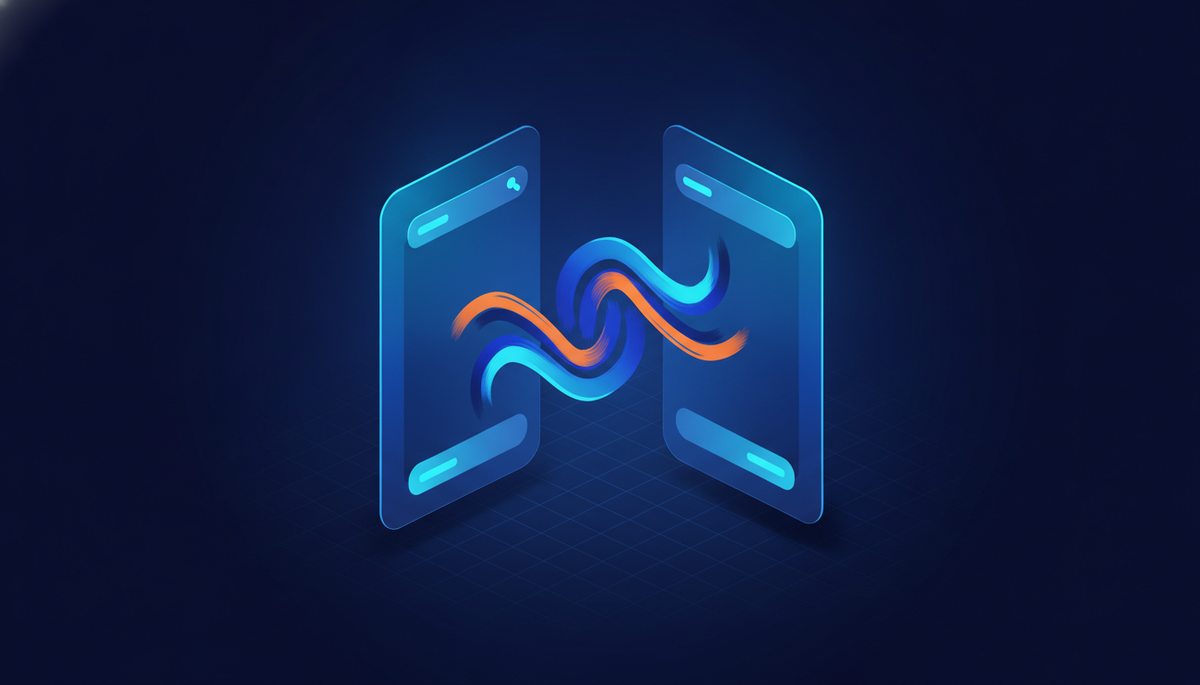
Real right-to-left support means the entire interface mirrors: navigation starts from the right, tables read right-to-left, back-arrows flip, progress flows the other way. Modern CSS makes this achievable with logical properties — if the product was architected for it from day one. Retrofitting RTL into a finished LTR product is why "Arabic version coming soon" usually stays soon forever.
The details that expose fake bilingual software
- Mixed content — an Arabic sentence containing an English brand name or a number must not scramble. Bidirectional text handling is a real discipline.
- Fonts — Arabic needs typefaces designed for it (we use Noto Kufi Arabic), not a Latin font's afterthought glyphs.
- Numbers, dates and currency — will your users read ١٢٣ or 123? EGP or ج.م? The answer differs by audience, and good software lets you choose.
- Dialect — Egyptian and Gulf Arabic differ in tone and vocabulary. Our DineCore even ships both flavors.
Why it's worth it commercially
Bilingual products serve the owner who prefers English dashboards and the staff member who works faster in Arabic and the customer who books in either. In our experience the Arabic interface isn't a checkbox — it's the difference between software that management bought and software the whole team actually uses.
Every Wizzora product — and every custom build we deliver — is Arabic + English with true RTL from the first sprint, never as a patch.