
"We need an app" usually means "we need our customers to reach us from their phone's home screen." That goal has two very different price tags — and most businesses buy the expensive one without knowing the cheap one exists.
What a PWA actually is
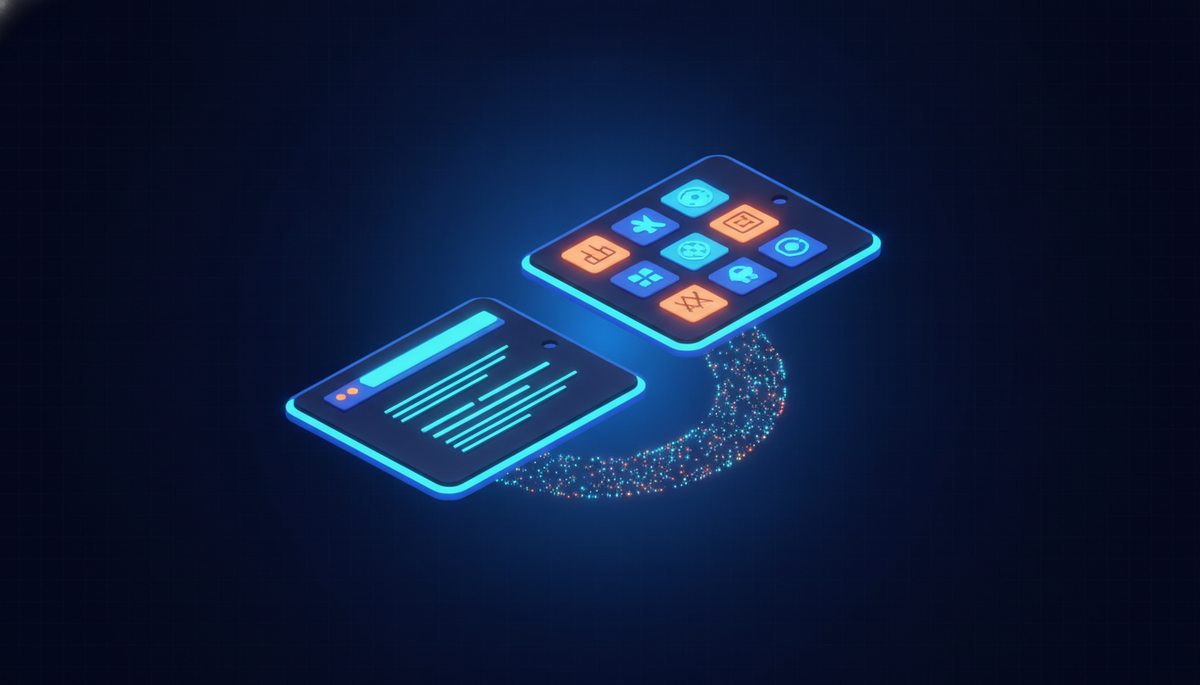
A progressive web app is a website that installs. Tap "Add to Home Screen" and it gets an icon, opens full-screen without browser chrome, sends push notifications, and can even work offline. To the customer, it is an app. To your budget, it's one codebase instead of three.
The math that matters
- One build, every device. Native means iOS + Android + web = three codebases, three sets of bugs, three update cycles.
- No app-store gatekeeping. No review delays, no 15–30% store commission on payments, no forcing customers through a download to see your menu.
- Updates are instant. Fix a bug, refresh — every user has the new version. No "please update your app".
- Sharing works. A PWA is still a link — it can be WhatsApp'd, Googled and QR-scanned. Native apps are dead ends for sharing.
When native still wins
Heavy games, hardware-intensive features, or brands whose customers genuinely search the App Store first. If that's not you — and for most clinics, gyms, restaurants and venues it isn't — a PWA delivers 95% of the experience for a fraction of the lifetime cost.
How we build it
Every Wizzora platform ships as an installable PWA: FitMax members install their club's branded app, DineCore waiters run their portal from a phone, and none of them ever visited an app store. The best app strategy is often the one with no app store in it.